
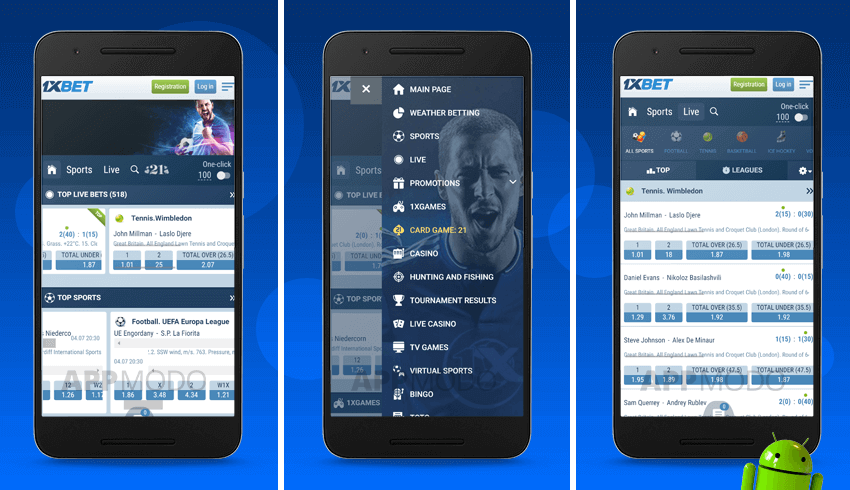
The 1xBet mobile app is distributed as an Android Package Kit, or APK. This file format carries everything needed to run the betting platform on a phone. Unlike software pulled straight from Google’s storefront, an APK requires a manual transfer and a specific security permission to complete installation. Understanding how this file behaves, where it originates, and what screens appear during setup removes most of the friction people encounter.
What the APK Contains
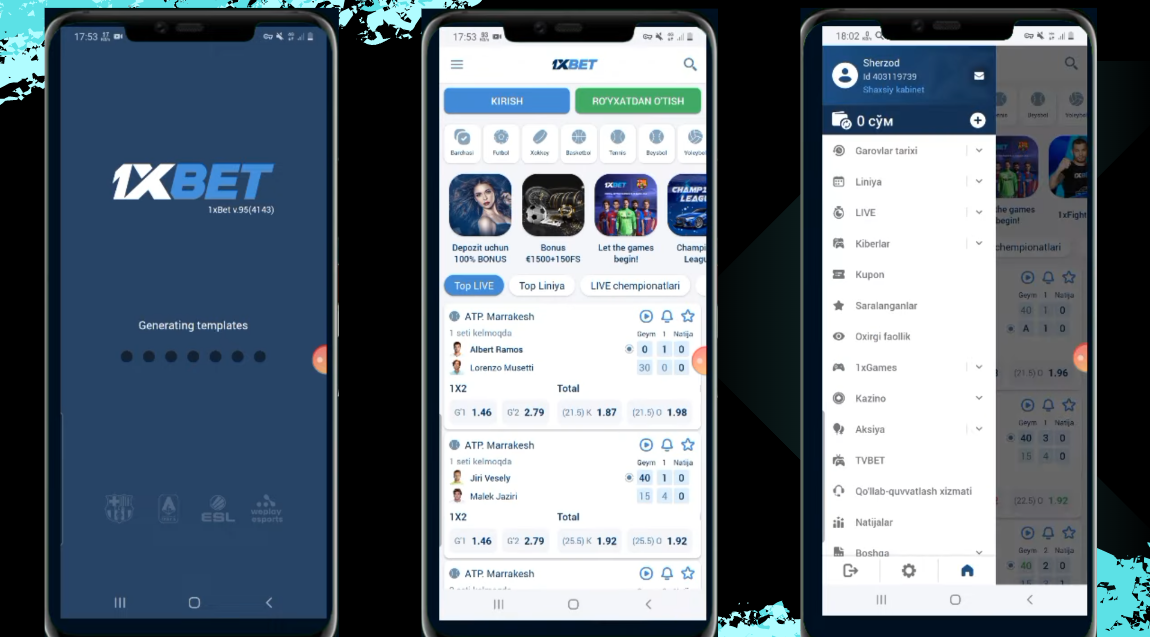
An APK bundles code, graphics, and configuration into a single compressed container. The 1xBet release includes the full sportsbook engine, live streaming protocols, cashier integrations, and casino modules. Once installed, the app writes data to local storage for login sessions, cached odds, and interface preferences. Uninstalling clears this data unless the phone’s backup system preserves it separately.
The file size fluctuates between releases, expanding as features accumulate. Signature certificates authenticate each build; Android refuses updates signed by mismatched keys, forcing a complete removal and fresh installation instead of a patch.
Download, Permission, and Installation
The acquisition path starts at the source server. A browser downloads the APK to standard phone storage, typically the Downloads folder. Before launching the file, Android requires explicit consent for that specific source to install unknown applications. This toggle lives in Settings > Apps > Special app access > Install unknown apps, applied per-app rather than globally. Granting permission to Chrome does not extend the same right to a file manager, and vice versa.
To get the application on your Android device, you will need to find the 1xbet app install download file directly on their website since it is not listed on the Play Store.

The actual installation flow spans several screens:
- The system package installer opens, displaying the app’s requested permissions
- Android runs a brief verification against known malware signatures
- The progress bar fills as files extract to the system partition
- A confirmation dialog announces completion with options to open or finish
Revoking the unknown-source permission afterwards prevents accidental future installations from that same browser or file manager without re-authorization.
Obstacles and Their Fixes
Several predictable errors interrupt the process. Each carries a distinct screen message and a straightforward remedy.

“Install blocked” or “For your security” appears when the per-source permission remains disabled. Return to Settings, locate the specific app that fetched the file, and enable the toggle.
“App not installed” often signals a certificate conflict. This occurs when a previous version came from a different signing key, or remnants of an old install linger in system directories. Remove all traces of the existing package, restart the phone, and retry.
“Parse error” suggests file corruption or an incomplete download. Delete the APK, clear the browser cache, and reacquire the file on stable connectivity.
Installation loops or hangs usually indicate storage pressure or background process interference. Free several hundred megabytes, close heavy applications, and attempt again.
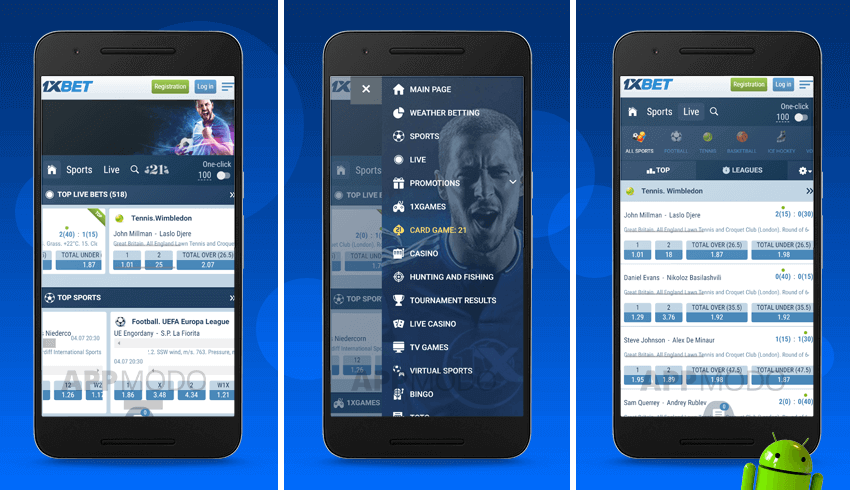
| Symptom | Screen Location | Resolution |
|---|---|---|
| Block message with security icon | System dialog, pre-install | Enable per-source permission in Settings |
| Generic failure after progress | Package installer completion | Uninstall existing, restart, reinstall |
| Corruption warning | Parse stage, early in process | Re-download from stable connection |
| Stalled progress bar | Mid-installation screen | Free storage, close apps, retry |
Keeping Current
New versions install through the same process used for the initial setup. The app may notify when a newer build exists, or users may check manually. Because the platform operates outside the Play Store ecosystem, automatic background updates do not occur.
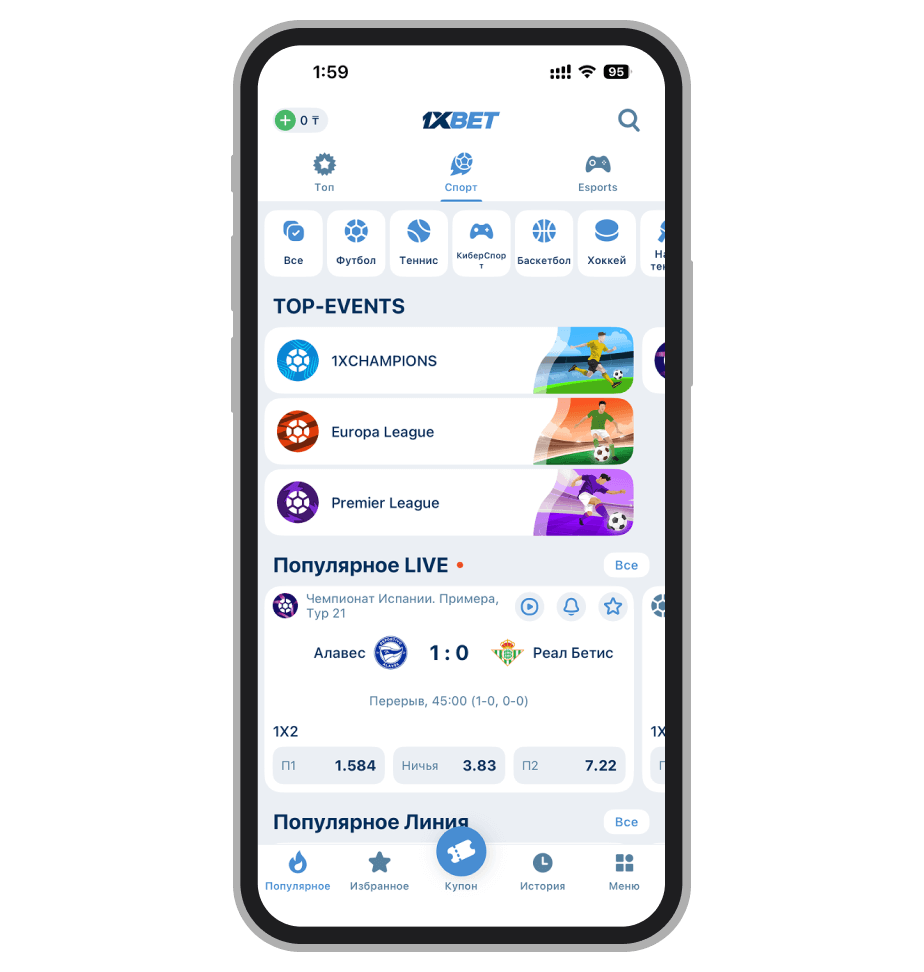
The update sequence mirrors first-time installation: download the fresh APK, grant permission if previously revoked, and allow the installer to overwrite. Signed-by-different-certificate failures demand complete uninstallation first, which wipes local data including saved passwords and cached market selections. Consider noting account credentials separately before this step.
Responsible gambling tools reside in the account settings: deposit ceilings, session timers, and temporary self-exclusion. These function identically across app versions and should be configured early.
Inside the Interface
Opening the app reveals a dense information architecture. The home screen presents rotating live events, upcoming fixtures, and promotional tiles. Navigation moves through distinct zones:
- Sportsbook: Tiered menus filter by discipline, league, and market depth. Odds update in real-time with color indicators for movement direction.
- Live betting: A dedicated tab shows in-progress matches with elapsed timers, score displays, and rapidly adjusting prices. Cash-out availability appears as a toggle where supported.
- Casino: Slots, table simulations, and live dealer streams occupy a separate section with its own search and filter tools.
- Cashier: Deposit and withdrawal methods stack vertically, each with minimum thresholds and processing time estimates. Transaction history populates beneath.
- Account: Verification status, bonus balances, bet history, and communication preferences consolidate here.
Before placing any bets, users should consult the gambling regulator guidance regarding local licensing frameworks, as availability of specific features varies by region.
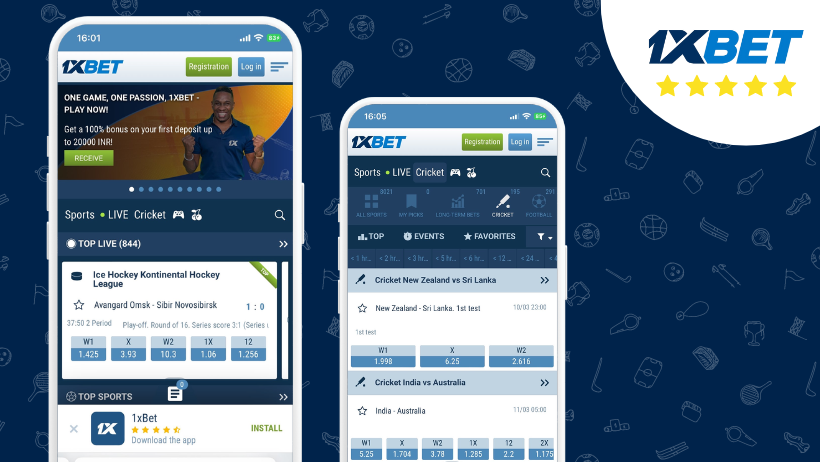
The Mobile Site Alternative
Not every phone accepts APK installations. Enterprise devices with locked bootloaders, certain corporate security profiles, or personal preference may steer users toward the browser version.
The mobile site replicates core functionality through responsive HTML. JavaScript handles odds updates and betslip management. No installation occurs, though progressive web app prompts may offer home-screen shortcuts. How well it runs relies on your browser and internet speed. The site avoids certificate conflicts and storage permissions entirely, though it cannot match the native app’s offline caching or push notification depth.
FAQ
Why does Android call this file “unknown” when I clearly downloaded it intentionally?
The operating system categorizes any APK outside the Play Store as unknown-source software. This is a security classification, not a judgment of legitimacy. The label persists until you grant explicit installation permission to the specific app that transferred the file.
Can I update without losing my saved login and betting history?
Updates signed with the same certificate preserve local data. If the certificate differs or the update fails with an error, you must uninstall first, which removes stored passwords and cached information. Account history remains server-side, accessible upon re-authentication.
Why does the same APK behave differently on two phones?
Interface elements, available payment methods, and even entire feature modules adjust based on detected region, operating system version, and app release channel. The underlying file is identical; the served experience adapts dynamically.
What happens if I leave the unknown-source permission enabled permanently?
The permission remains active only for that specific source app. Other download tools cannot install without separate authorization. Even so, revoking after installation reduces accidental exposure to malicious files that might arrive through the same browser later.
Does the mobile site offer the same live streaming as the app?
Streaming availability depends on account standing and regional rights, not the access method. The app typically delivers more stable video buffers and background audio continuation. The browser version may request additional permissions for media playback that the app handles natively.