
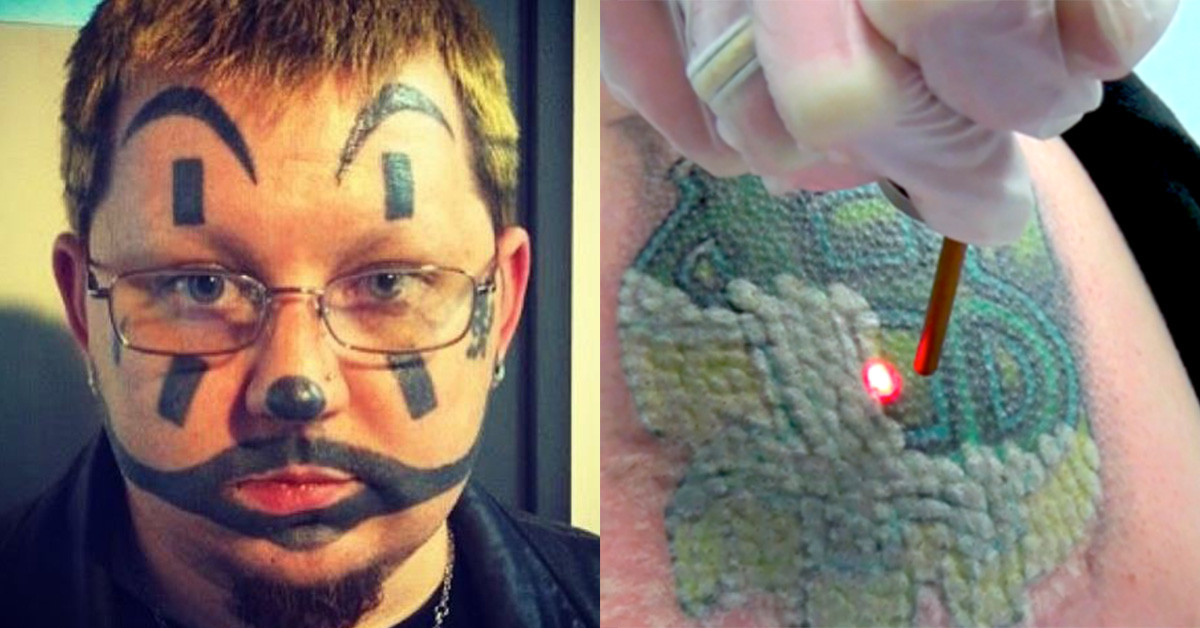
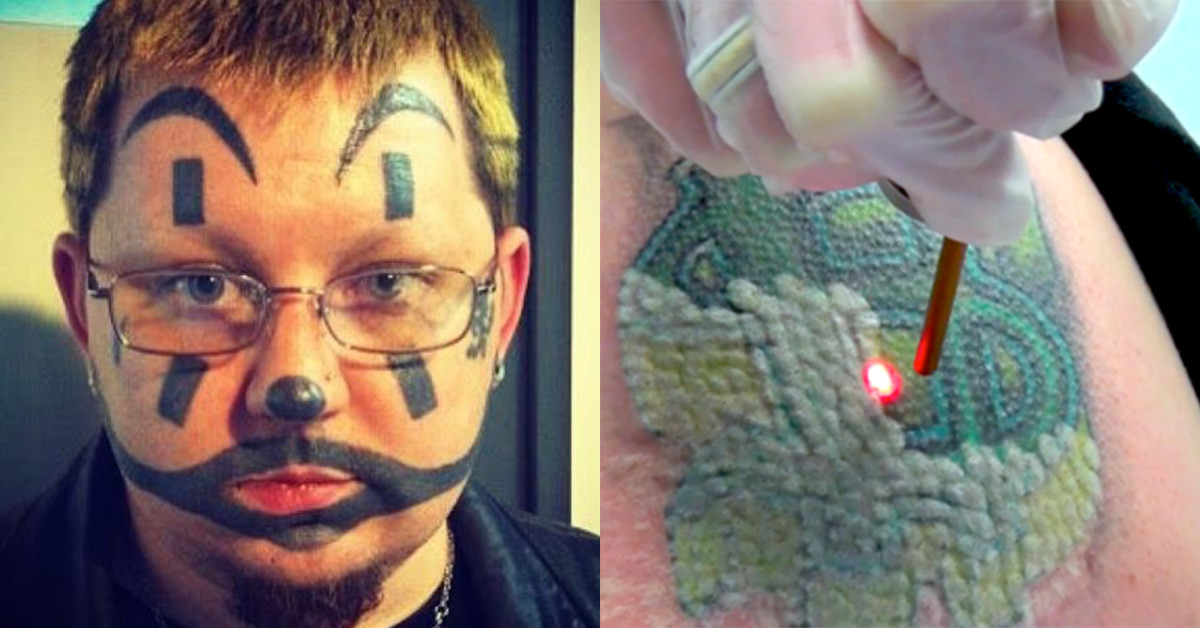
If you have a tattoo you want to get rid of, listen up. We’re going to set the record straight once and for all on the dos and don’ts of tattoo removal so our readers can successfully get rid of their regrettable ink. Of course, laser tattoo removal is just one way to get rid of a tattoo, but most experts will say it’s the most effective method on the market. Why is that? Well, the laser is the only method that permanently lightens a tattoo. Many companies have tried bringing tattoo removal creams to market, but we have yet to encounter one that actually works. Laser tattoo removal is becoming increasingly accessible to customers around the world, and countless photos of their results are circulating on the internet.
Still, many of you may be wondering where the hell to even begin with this process. Well, it’s time to learn from the tattoo experts at INKED – and hopefully, by the end of this article, you’ll have a better understanding of how the procedure works.

The first step in laser tattoo removal is often the most difficult: finding a facility that offers this service. Although laser tattoo removal is becoming more common, many people live in areas where it isn’t easily accessible. The best way to find out if there’s a clinic nearby in 2018 is to do your research. The internet is a great tool for finding out if there are specialists in your area who offer laser removals – and many, if not all, have reviews from real customers. Another good way to learn more about laser tattoo removal in your area is to ask your local tattoo artist, as many can recommend a specialist nearby.

Once you’ve found a laser tattoo removal technician in your area, it’s time to make an appointment. Unlike tattooing, tattoo removal involves many different variables, and specialists must choose an individual approach for each client who walks through the door. That’s because every tattoo is unique – in the colors used, the amount of deep black, the style of application, and how long it’s been in the skin. On top of that, skin tone and type play a major role in this process. Typically, new customers must submit photos and a brief description of their tattoo to most removal technicians before booking an appointment. Once they’re at the practice and ready for their first session, they’ll be examined in person. A lot of time and energy goes into this process because the person’s tattoo and their skin type determine how high the technician can set the laser. If the laser is set too high, the patient can end up with permanent scarring – and nobody wants that from a tattoo removal.
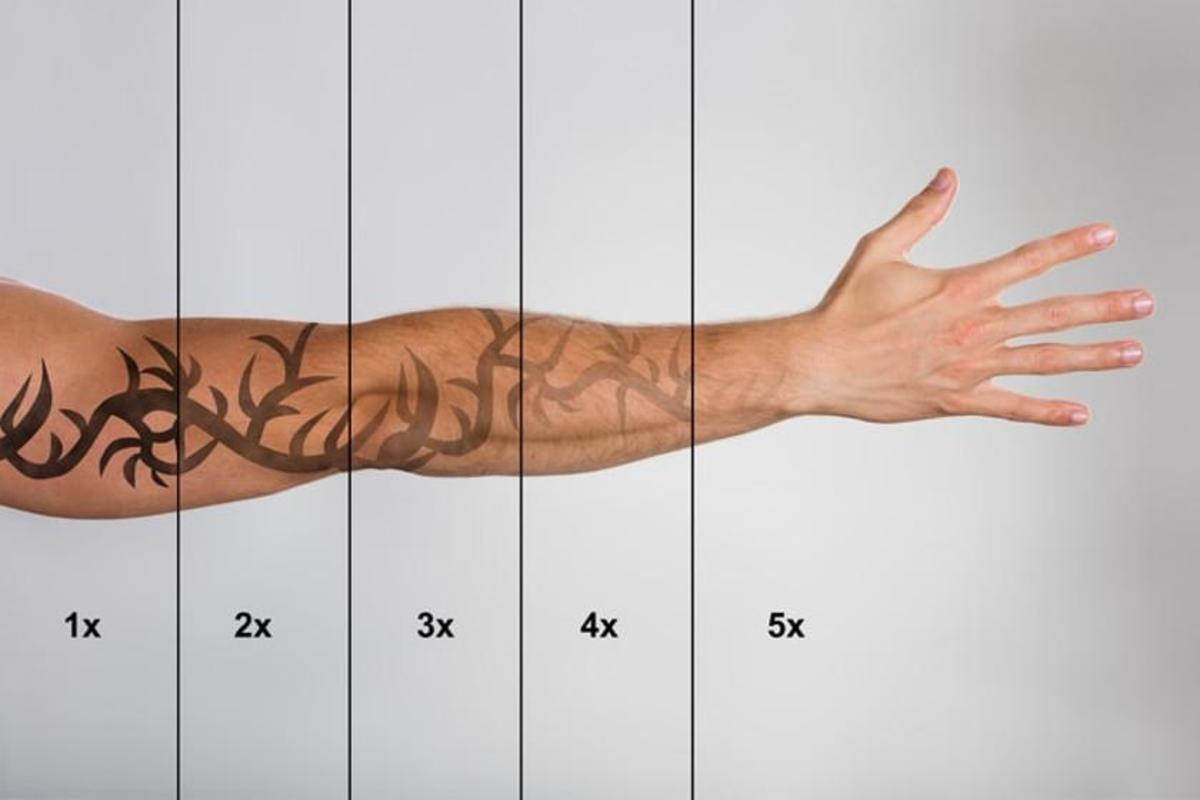
One of the biggest misconceptions about tattoo removal concerns the number of sessions. Some go into the experience believing that tattoo removal is a one-time thing – but most of the time, that’s not the case. There are many different factors that determine how many sessions a person needs, and the technician can only make a rough estimate. They don’t know how the patient will heal and how the tattoo will respond to the laser. Some people need just a few sessions, while for others it can take 10–20 sessions before the tattoo is completely removed. It’s all individual, and laser removal technicians can’t see into the future.
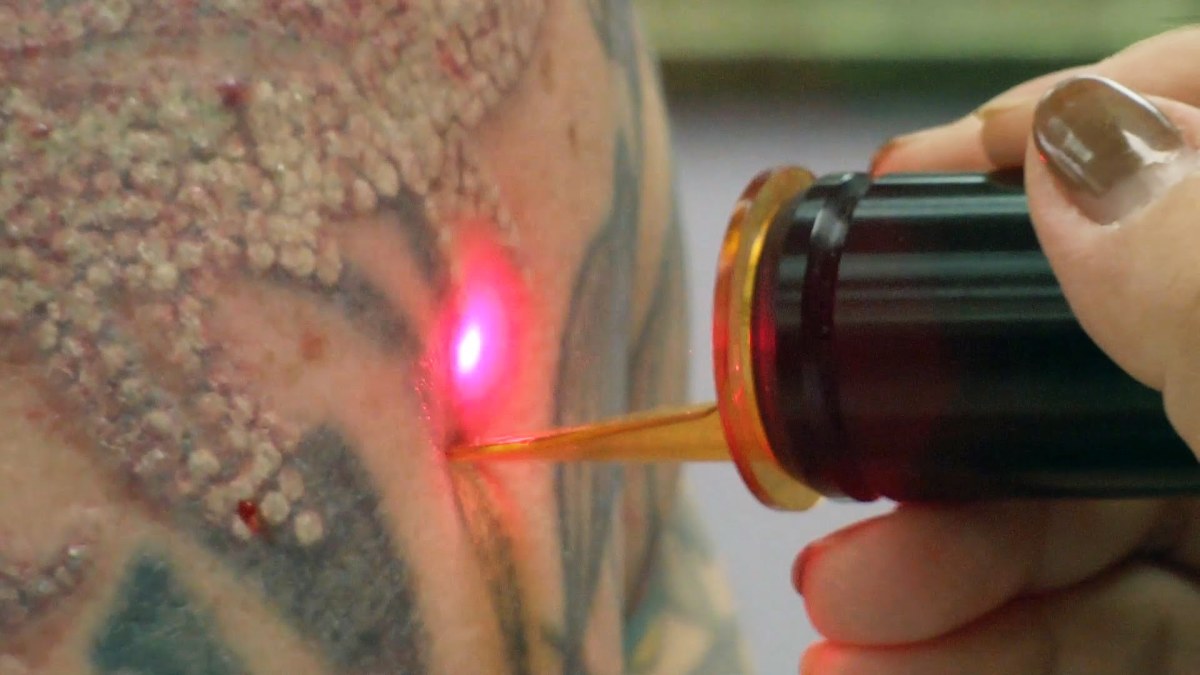
Another misconception people have about tattoo removal concerns the process itself. I can’t count how many times people have looked at my tattoo after a laser session and said, “Hey, I thought you were getting that removed?” The thing is: tattoos are removed slowly and gradually – the tattoo lightens bit by bit in the three months between sessions. That’s because the laser breaks down the tattoo particles under the skin and allows the body to absorb and flush out the ink. From the moment your tattoo enters your skin until your dying day, your body treats the tattoo like a foreign object and slowly breaks it down. That’s why tattoos age and fade over time – and styles without solid black tones fade faster than others. The laser simply accelerates the body’s natural removal process.
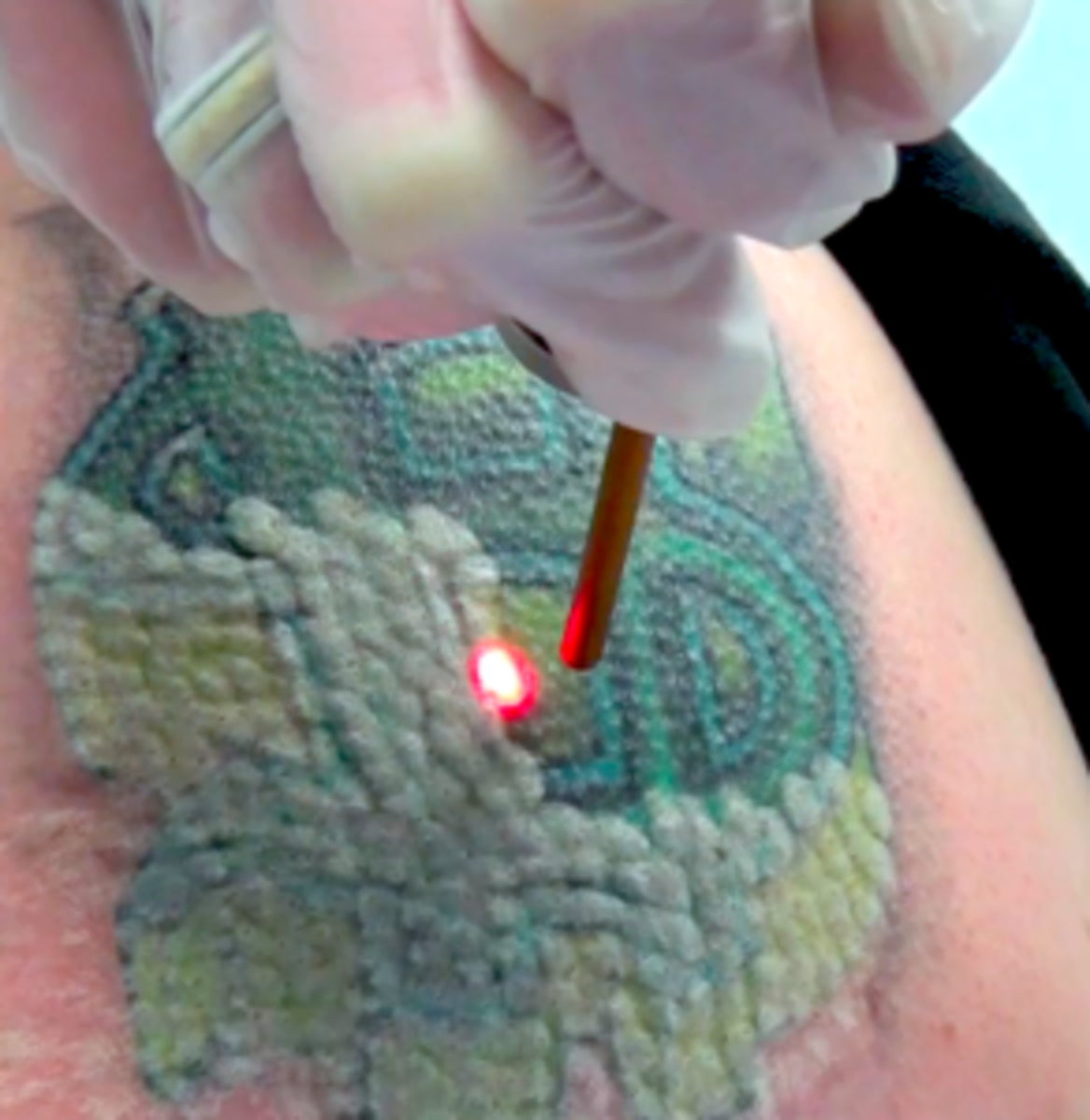
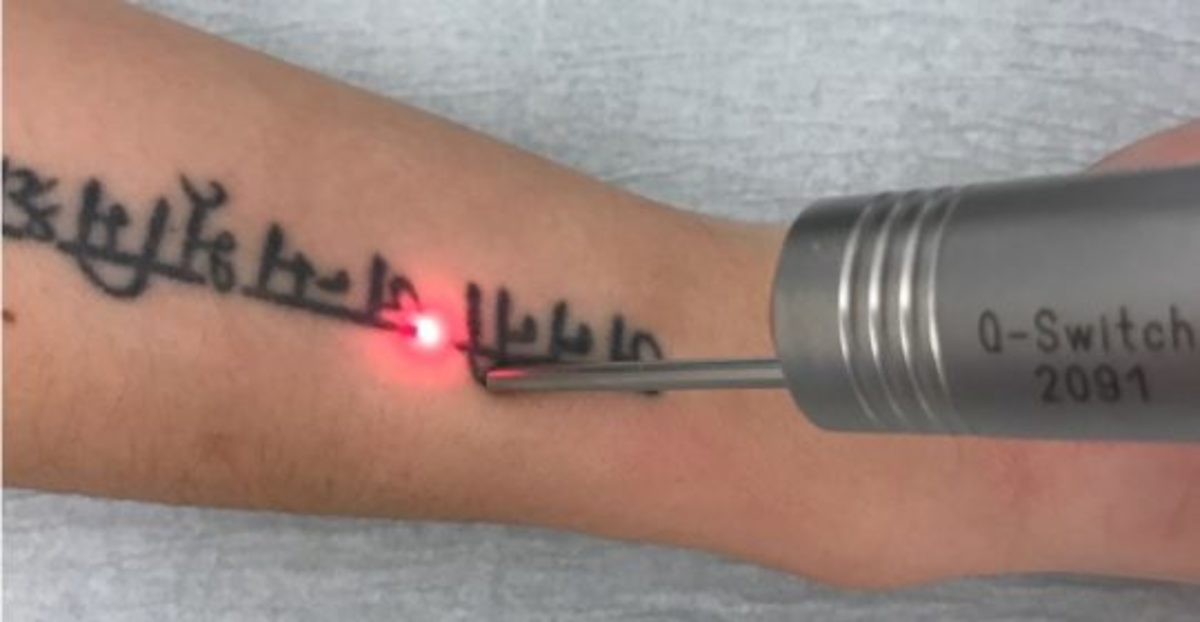
Now that you understand how lasers work, you’ll come across many companies offering different types of machines. Q-Switch lasers were first developed in the 1990s and were considered the most popular and effective tattoo removal technology for almost 40 years. But in 2018, a laser called PicoSure came on the market that beats the previous machines. While Q-Switch lasers deliver energy in millionths of a second, this laser delivers it in billionths of a second. This makes the process more effective per session, allowing customers to get their tattoos removed faster and more safely.
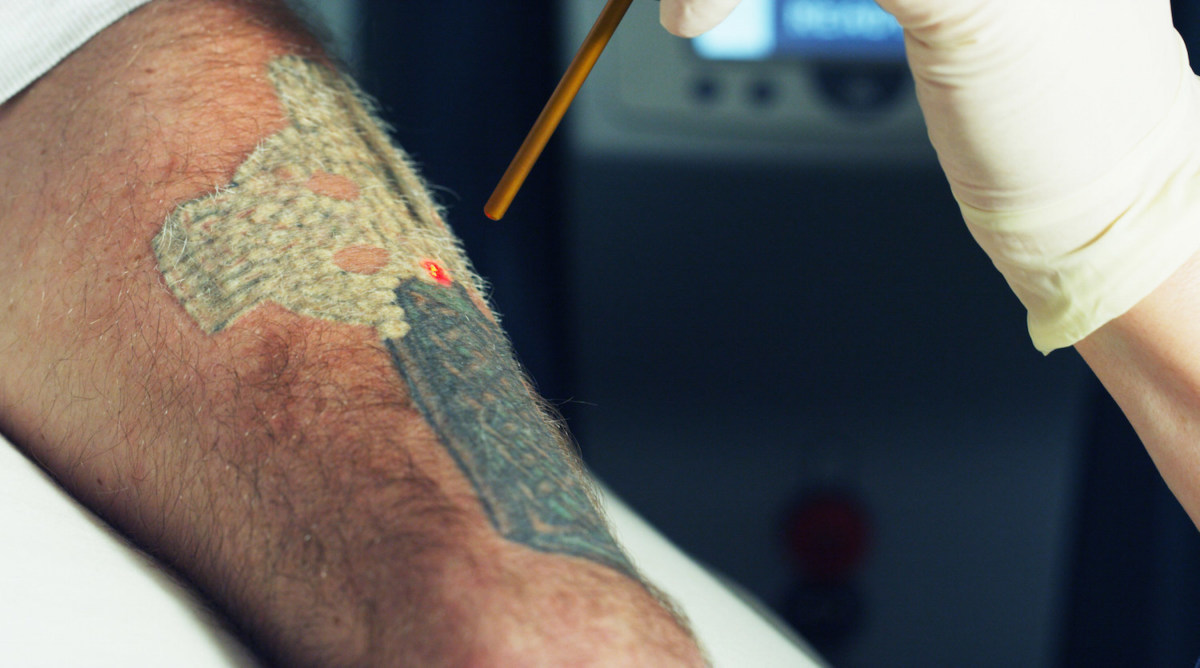
Now you’re probably wondering: “Does tattoo removal hurt?” And unfortunately, we have to admit: Yes. Like getting a tattoo, tattoo removal isn’t without pain – but the experience is completely different. First, the sensation of laser removal is unique and can be compared to a heat/burning feeling. If you have a tattoo, on the other hand, you’ll recognize the dull scratching of the small needle grouping. The feeling or pain of tattoo removal is often described as more intense than the tattoo process, but the procedure itself is much shorter. While some tattoos take hours, most laser removal sessions only last a few minutes. I’m currently having a small script word removed from my chest, and I only had to endure the pain for about 30 seconds.
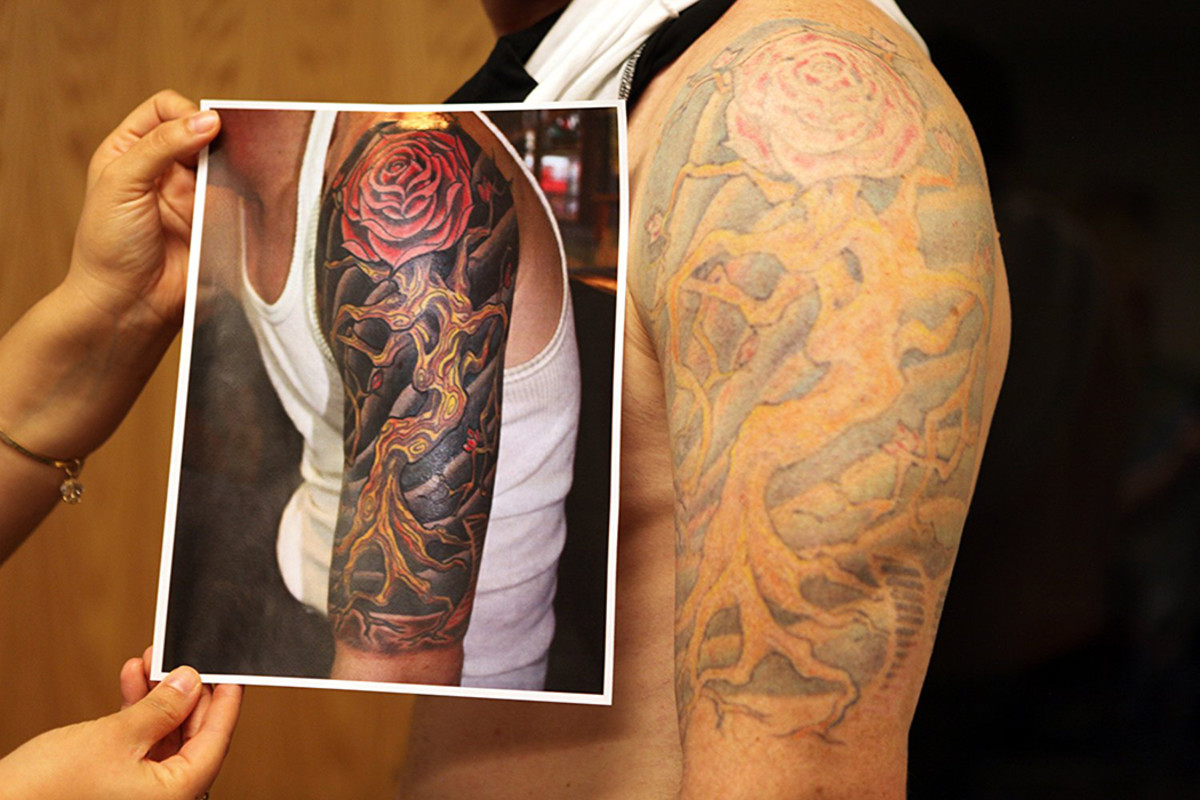
Now it’s time to talk about healing. Many of you have probably seen the aftermath of a removed tattoo, with a thin whitish scab. However, the healing process of a removed tattoo is nearly identical to that of a fresh tattoo. When your laser session is finished, your technician will cover the tattoo to protect it. After a few hours, you can remove the bandage and treat the area like a fresh tattoo – with thin layers of a fragrance-free moisturizer. It takes one to two weeks for the abrasions to heal, and as always: Don’t pick at it! Most technicians recommend that patients wait 6 weeks to three months between sessions to allow the body to begin breaking down the ink pigments. This time allows your specialist to see how your body responds to the laser so they know how to approach the next sessions.

Okay, you’ve probably already heard scary stories about tattoo removal, but it’s time to debunk some myths. Blistering and scabbing are completely normal parts of the laser removal process, but these symptoms should be temporary. If blisters cause you enormous pain and leave permanent scars, something has gone wrong. There are several factors that can occur with tattoo removal – and the first happens when people try to get creative or cheap by using an at-home removal solution. Believe it or not: Many people have risked their lives to remove a tattoo at home, and almost all suffer permanent skin damage. Some of these methods, which we do not endorse, include using black market tattoo removal products, chemical peels, or lactic acid injections. In other cases, disaster strikes when the client doesn’t do proper research when looking for a technician. Cheap machines and inexperienced technicians can cause long-term damage to a tattoo – that’s why it pays off in the long run to seek out an experienced specialist. Getting a bad tattoo is one thing, because in most cases it can be covered or removed. But correcting a poorly performed laser procedure can be almost impossible.
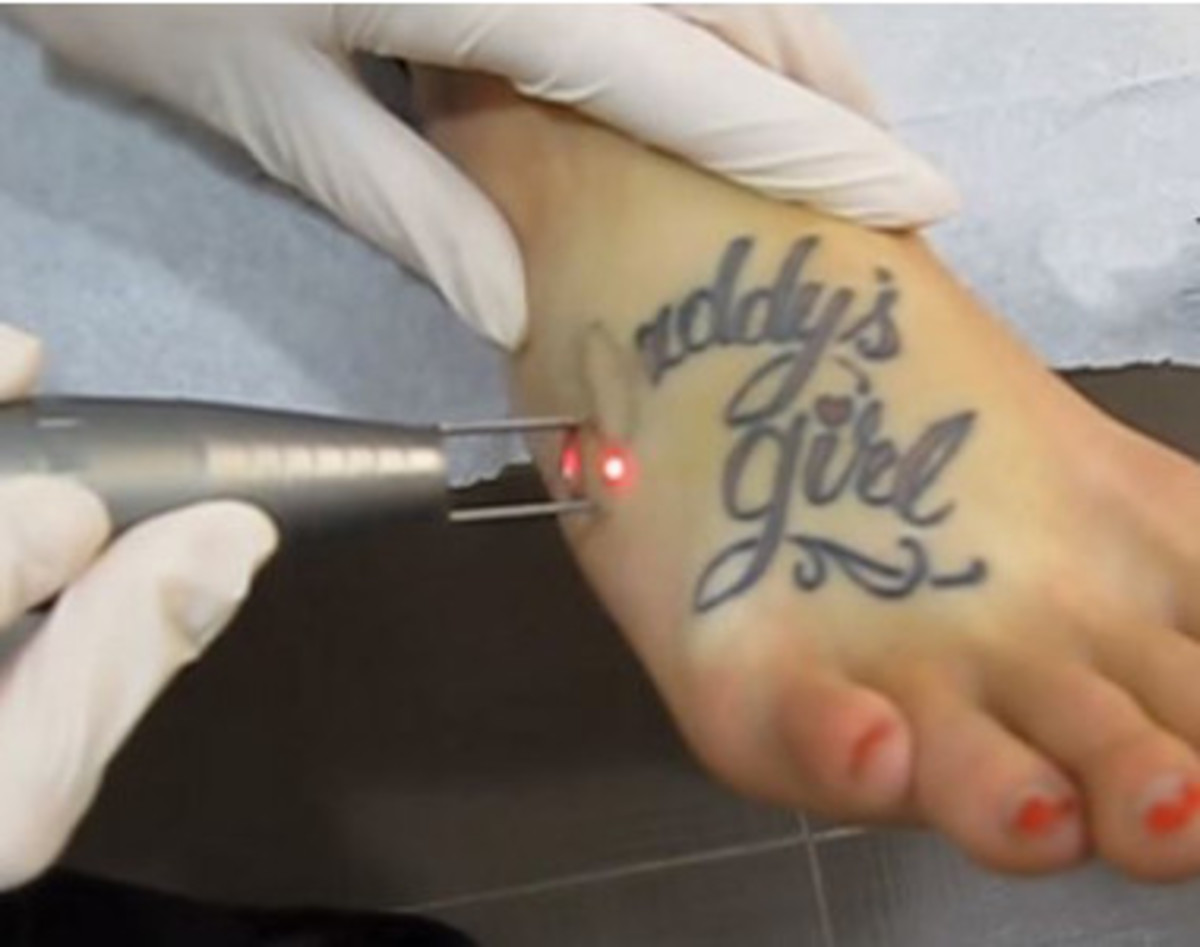
Another factor that plays a role in the tattoo removal process is price. Unless you have a very special case – the removal will cost anywhere from a few hundred to a few thousand dollars from start to finish. The amount you’ll need to invest depends on several factors – primarily on how many sessions you need to remove the tattoo. If you want to prepare the tattoo for a cover-up, you shouldn’t need more than a few sessions. But as already mentioned: It varies from person to person. A budget for the tattoo removal process is essential, and the cost per session depends on where you go. But please – once again – don’t take the cheapest route to get a tattoo removed. In the long run, you’ll probably end up spending more on removal than if you had gone to a qualified specialist from the start.
Now that you’ve learned how this process works, how to find a technician, and what to expect from the experience, you’re ready to begin your journey. I know the process can seem intimidating when it’s all laid out before you, but we promise: It’s absolutely worth it. You wouldn’t believe what kind of impact a tattoo can have on a person’s self-esteem and what real damage it can cause in both personal and professional life. But in 2018, we live in an age where no tattoo is permanent and people really do get a second chance. I know I can hardly wait until my tattoo fades and I have the opportunity to go to my dream artist to get the piece it should have been all along. However, I probably would never have known what I wanted for a new tattoo if I hadn’t first gotten a bad one. And although tattoo removal technology is constantly evolving and this guide will most likely be outdated the moment I hit “Publish,” it’s important for our audience to understand and appreciate the options available. So, what do you do when you live another day with a tattoo you hate? Why not get the ball rolling and start looking while the iron is hot? And if you’re currently getting a tattoo removed or have already completed the journey – let us know your thoughts in the Facebook comment section.